Fisher & Paykel Dishwasher Error Code U1
Flood protection activated — water in base
The most common cause of the U1 error on a Fisher & Paykel dishwasher is door seal damaged (~35% of cases); start with: drain the base tray.
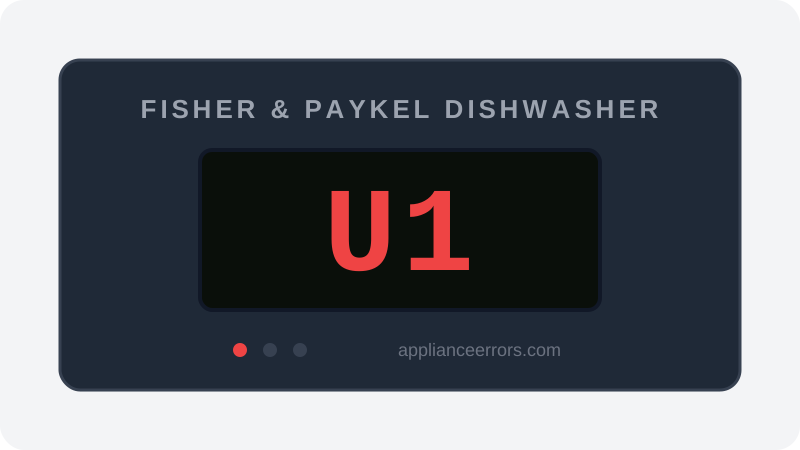
What Does Error Code U1 Mean on a Fisher & Paykel Dishwasher?
Flood protection activated — water in base.
The flood system detected water in the DishDrawer base tray and tripped the float/sensor, so the unit stops to prevent a cabinet leak. A damaged drawer seal, loose internal hose, oversudsing, or cracked tub is the usual source.
What Causes Error Code U1?
Here are the most common causes in order of frequency. Start with the most likely cause before moving to the next:
- 1 Door seal damaged 35% of cases
- 2 Internal hose connection leaking 35% of cases
- 3 Oversudsing 20% of cases
- 4 Tub crack 10% of cases
How to Fix Fisher & Paykel Dishwasher Error Code U1
- 1
Drain the base tray
Turn power off and carefully tilt the unit forward over towels to drain water from the base tray.
⚠️ Turn off power before tilting. - 2
Inspect the drawer seal
Check the drawer gasket for tears, flattening, or debris that lets wash water escape into the base.
🔩 F&P door seal ($35–$80) - 3
Check internal hoses
Inspect pump, fill, and drain hose connections inside the drawer for drips or loose clamps.
- 4
Reduce suds
Use only dishwasher detergent and correct dose; oversudsing can overflow the drawer into the base.
How to Reset Error Code U1
Drain the base tray, fix the leak source, dry the sensor area, then restore power. U1 clears when the float/sensor resets and no new water enters the base.
Note: If the error returns after resetting, the underlying issue has not been resolved. Work through the fix steps above.
Did this guide fix your appliance?
✓ Thanks — your feedback helps us improve this guide for the next person.
Thanks for letting us know. If the steps above didn't work, see when to call a professional.
What went wrong? (one tap helps us fix this guide)
✓ Noted — we'll use this to improve the guide.
When to Call a Professional
If the base refills and no seal, hose, or sudsing issue is visible, an internal crack or drawer component leak needs Fisher & Paykel authorized inspection.
Related Error Codes
Find Replacement Parts
Use these links to find the exact replacement parts for your Fisher & Paykel Dishwasher:
External links — ApplianceErrors.com is not affiliated with these retailers.
More Fisher & Paykel Dishwasher Error Codes
Frequently Asked Questions
Can I keep using my Fisher & Paykel Dishwasher when error U1 appears? +
What most commonly causes U1 on a Fisher & Paykel Dishwasher? +
U1 keeps coming back after a reset — what should I check next? +
How much does it cost to fix Fisher & Paykel Dishwasher error U1? +
Sources & References
- • Fisher & Paykel Support — official manufacturer documentation
- • Our editorial & verification policy
Content verified against manufacturer service documentation. Last verified: June 10, 2026.